
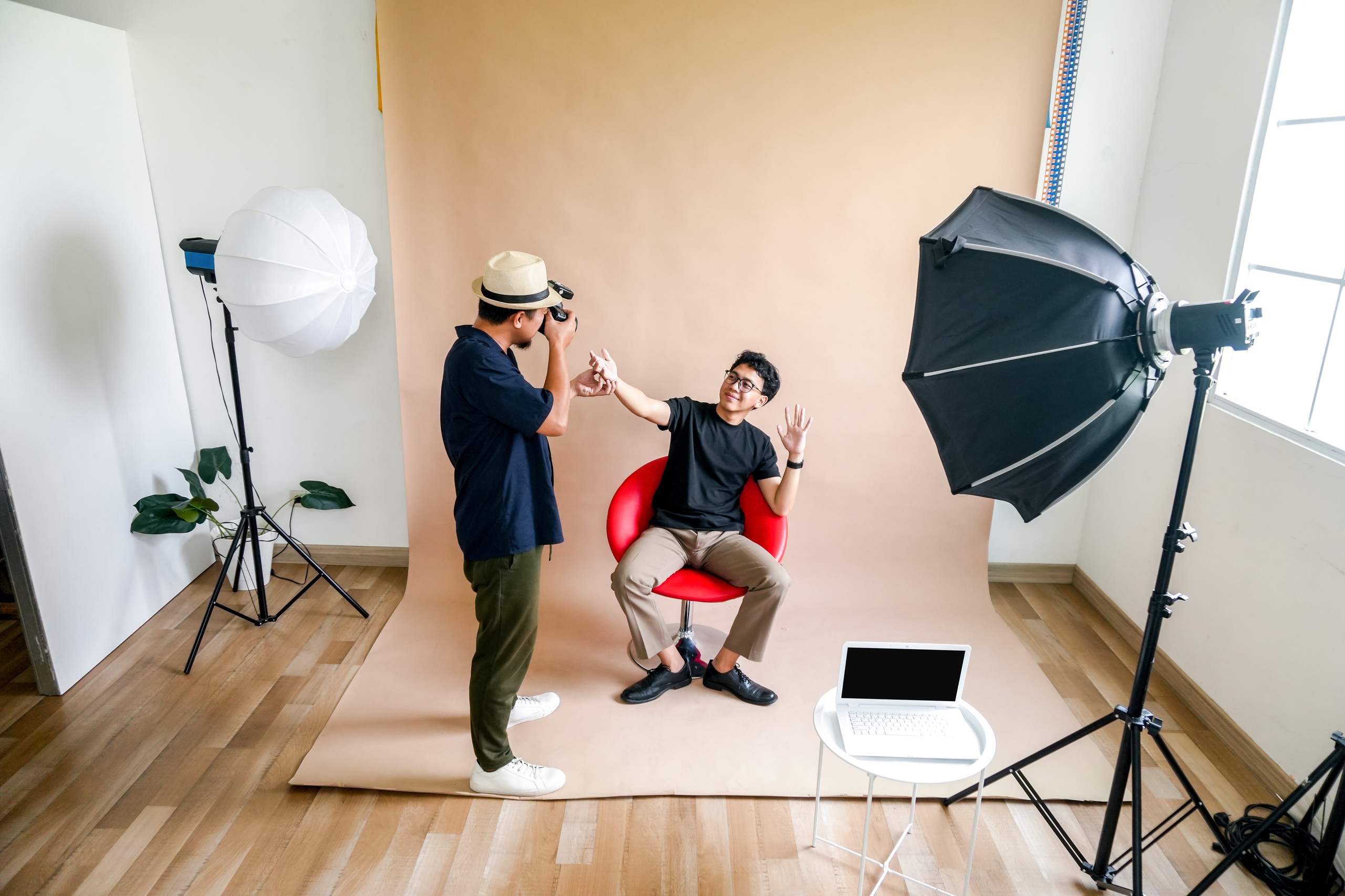
Photo zones are not simply decorative corners in events. Instead, they are focal points that determine how guests see a space. A well-thought-out photo zone does not just give a beautiful frame for photos; it also directs the movement and mood of participants, becoming a key part of the event’s atmosphere. However, implementing a photo zone in reality does not require just creativity. It requires logic, preparation, and understanding what can and cannot be implemented.
Photo Zones Are First of All about Space, Not about Decoration
When just starting out, many beginners make mistakes. They start by decorating the zone with balloons, flowers, fabrics, or props. All of these are necessary, but the basis for photo zone design is space. The designer first needs to understand how guests will interact with space. Which spots are more favorable for people, how the photos will be taken, what will be in the background of the composition, and whether this composition looks beautiful or interesting from the camera’s point of view. All of this must be taken into consideration. Without this approach, the composition will seem scattered and uncoordinated.
The Concept
The concept is the starting point in designing a photo zone, which defines the overall mood and idea behind it. There are different concepts, such as minimalism, holiday, celebration, comedy, or drama. However, all should serve a common goal.
Composition in Real Space
A photo zone is not a picture, so it is designed differently. Here composition means that objects and elements should be placed properly within the space, and this needs to be thought out in real terms. A good photo zone is designed from all possible points of view, so the composition must be considered in terms of what is in the background, the height of structures, etc.
What Materials Will Be Used, the Limitations on What Can Be Implemented
When creating designs in 2D, you do not have to worry about what the materials will be, or what weight the object will have, or whether it will be durable. However, all these factors must be considered, and the design will need to be feasible, practical to install and implement.
Role of Lighting
Often in designing photo zones, lighting is underestimated. It helps in creating an atmosphere and playing with mood and depth, as well as creating highlights and eliminating excess details.
Summary
To implement a photo zone, it is necessary to think both creatively and technically in order to design a space for real environments that will work as an integrated experience. When there is a unified concept, a beautiful and well-thought-out composition, materials that are durable and stable, and lighting that is used effectively, a photo zone becomes an experience that people will enjoy and remember.